

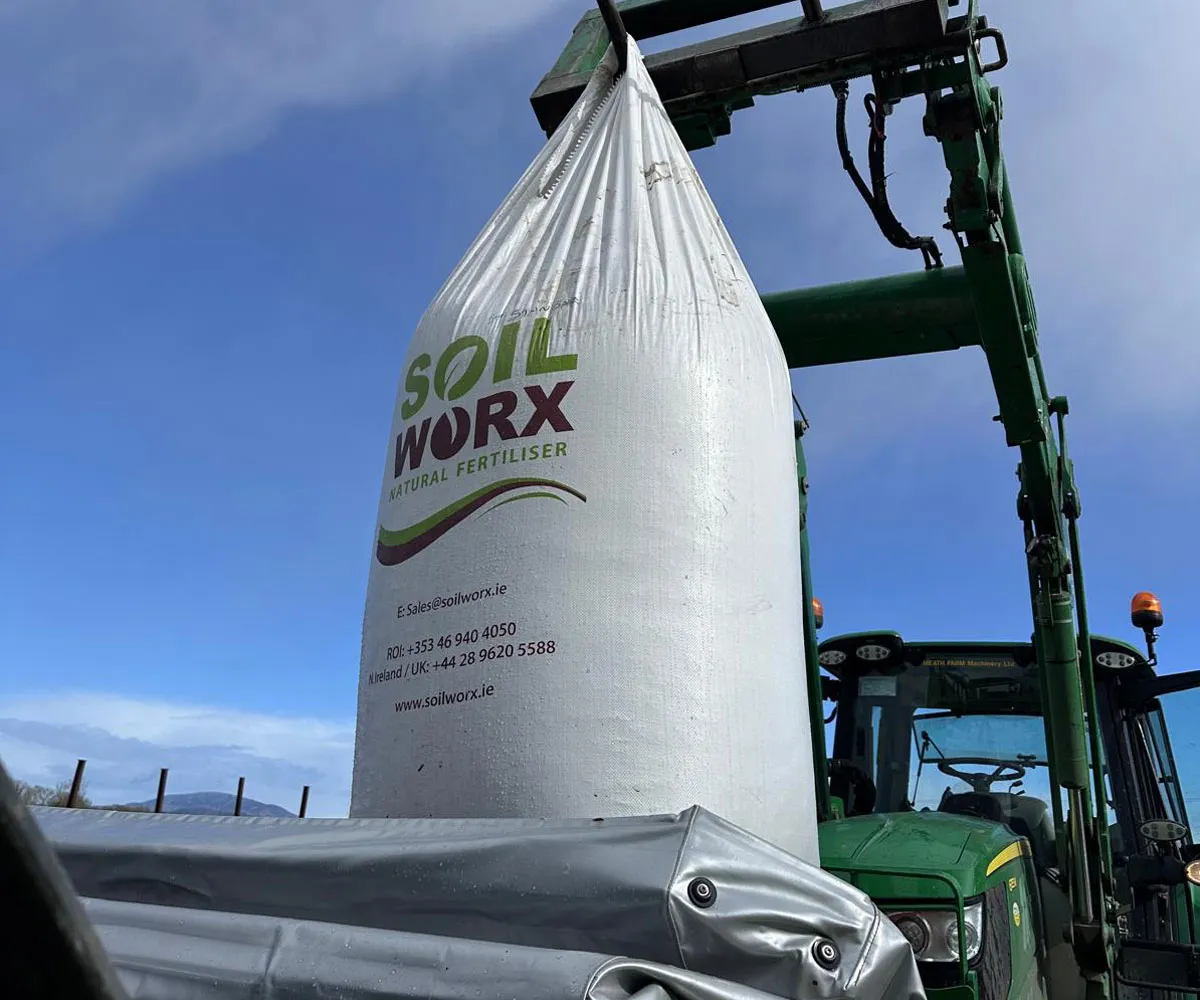
UK farmers are switching to organic fertiliser alternatives as rising costs and global instability put pressure on synthetic fertiliser supply. The shift is not a trend. It is a practical response to a system that is no longer reliable. Since the start of the Middle East conflict, search data has shown a sharp rise in searches for fertiliser prices. For many growers, it is now a daily concern. Dr Paul O’Hora, Sales Director at UK fertiliser company SoilWorx, says
“Farmers are heading into the growing season under serious financial pressure. Synthetic fertiliser prices have surged and availability has become unpredictable, leaving some growers reconsidering spring planting altogether.“
Why fertiliser prices keep rising
The core issue is energy. Natural gas accounts for up to 80% of nitrogen fertiliser production costs. When producing regions face disruption, nitrogen fertiliser prices follow. That is the link growers are living with right now. Global supply chains for ammonia and urea have also become less reliable. This has pushed fertiliser prices higher still.
The UK faces particular exposure. It has closed its domestic fertiliser production capacity and now relies heavily on UK fertiliser imports for the majority of its nitrogen supply. Other European countries are better placed to absorb the same shocks.
A different model: organic fertilisers made in the UK
“Recent events have shown just how exposed conventional fertiliser supply chains can be. For growers planning ahead, local organic alternatives offer something genuinely valuable right now: certainty of supply and stability of price.”
Dr Paul O’Hora, Sales Director, SoilWorx.
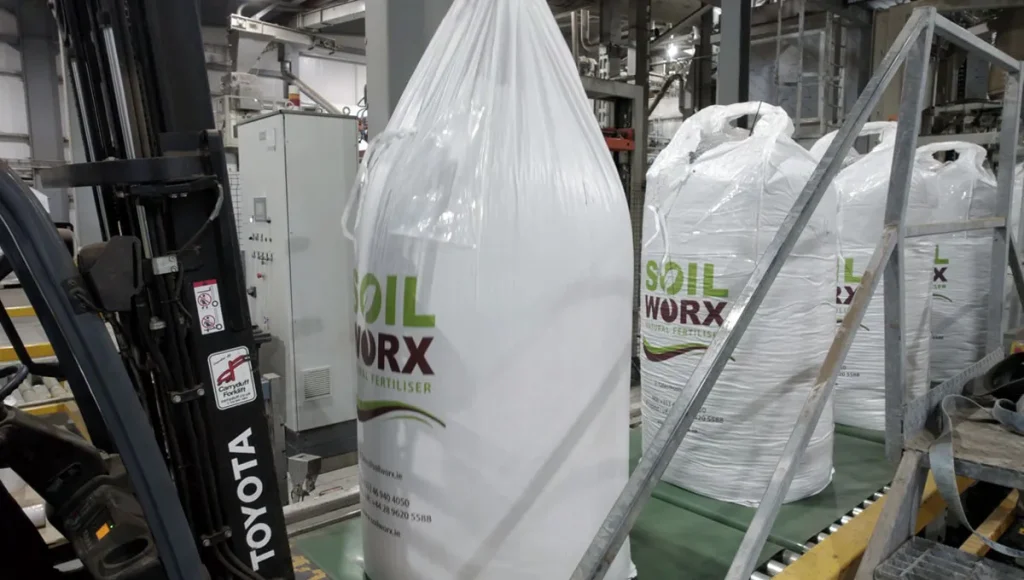
Organic fertilisers offer a different model. SoilWorx products are made in the UK from poultry manure fertiliser, a locally sourced renewable resource with no link to global gas markets or shipping routes. The result is consistent supply and more stable pricing for growers who need to plan.
SoilWorx Dynamo delivers a complete organic nitrogen fertiliser profile in a single input. Farmers get the nutrients their crops need while building soil health and organic matter over time. For those looking to cut procurement risk, it is a practical and proven option.
Planning ahead for spring planting
With fuel costs also rising, many farmers face hard decisions for spring planting: cut fertiliser rates, delay establishment, or move to organic fertiliser inputs that cost less and arrive on time. Organic alternatives are gaining traction. Not as a short-term fix, but as part of a longer-term, more resilient approach to farm nutrition.
As Paul O’Hora advises: speak with your agronomist, explore organic fertiliser alternatives to synthetic products, and build a plan that does not depend on global supply chains. Recent events have shown how exposed conventional supply can be. Alternatives to synthetic fertiliser that are local and proven are already here.