

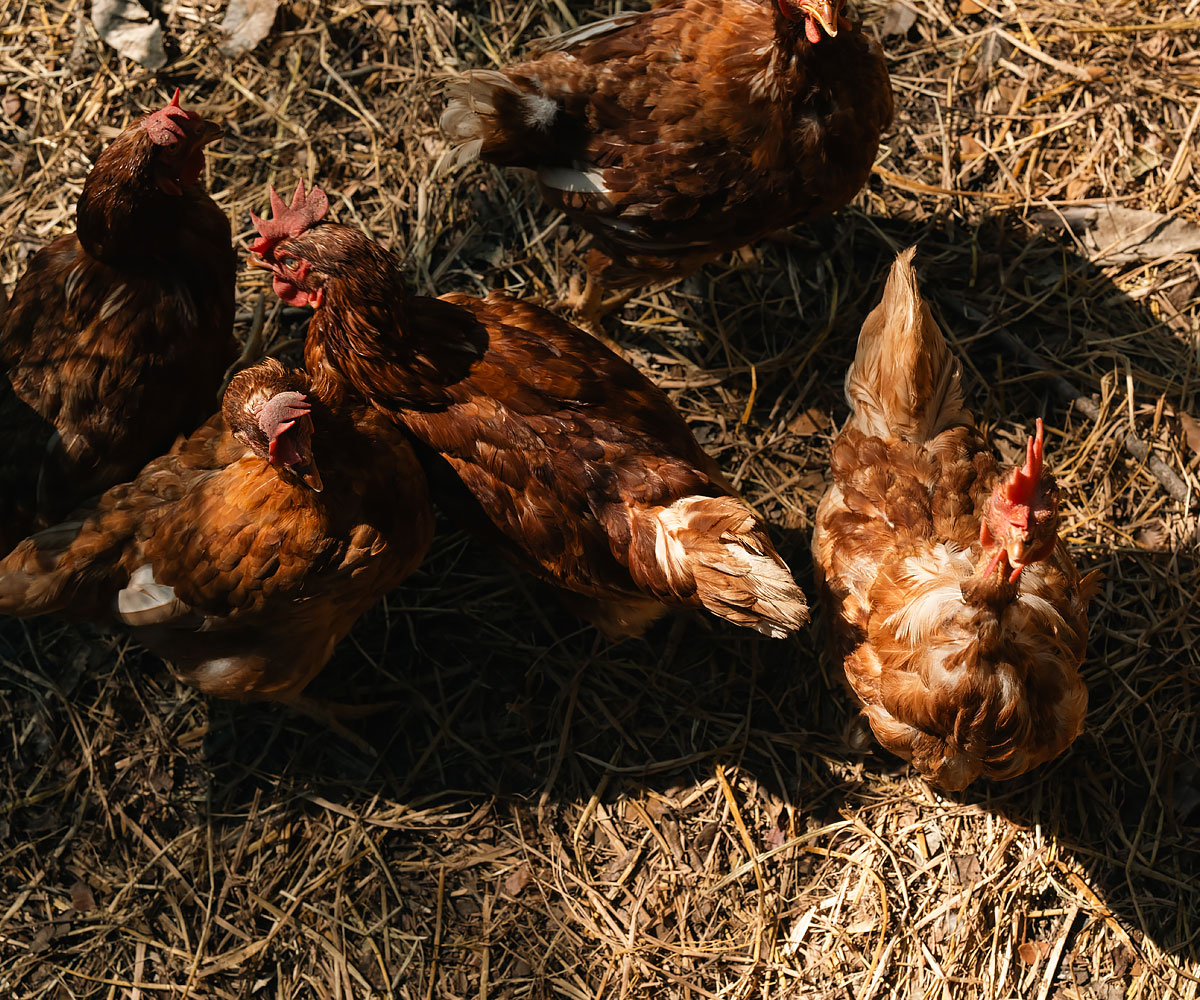
As global agriculture shifts toward sustainability, the idea of transforming waste into valuable resources has never been more relevant. One of the best examples of this transformation is the conversion of raw chicken manure into clean, efficient and nutrient-rich fertiliser pellets. What once posed a disposal challenge for farms is now becoming a premium organic fertiliser used by gardeners, landscapers and growers across Europe.
Please discover how chicken manure moves through a carefully controlled process — from raw material to high-quality pellets — and why this eco-friendly solution is rapidly growing in popularity.
“Sustainability is no longer about doing less harm. It’s about doing more good.”Jochen Zeitz
Step 1: Controlled drying and sanitisation (reducing moisture to <12%)
Fresh chicken manure typically contains 50–60% moisture. The first major step is drying it down to a stable level of below 12% moisture.
During this phase:
Heat is applied to remove excess water
- Pathogens, weed seeds and parasites are destroyed
- Odour is greatly reduced
- The material becomes hygienic and safe to handle
This step also ensures the final pellets can be stored long-term without mould or spoilage.
Step 2: Fine milling for consistent quality
Once dried, the material is milled into a fine, uniform powder. This step is crucial because:
- It ensures even nutrient distribution throughout the pellets
- Eliminates lumps and impurities
- Creates a smooth feedstock for pellet formation
Uniformity is a key part of producing high-quality fertiliser pellets trusted by both gardeners and commercial growers.
Step 3: Pelletising – turning powder into durable pellets
The milled material is then fed into a pellet mill, where it is compressed under high pressure. No chemical binders are needed — the natural fibres and organic matter create their own binding effect. This stage forms:
- Uniform pellets (usually 4–6 mm in diameter)
- High density for easier spreading
- Durable structure that resists crumbling
Pelletising not only improves convenience, but also provides a slow-release fertiliser that feeds plants gradually over several months.
Step 4: Cooling, screening and packaging
Freshly formed pellets are hot and slightly soft — so they must be cooled before packaging. In the final stage:
- Pellets pass through cooling tunnels
- Smaller particles are screened out
- He final product is bagged into Bulk Bags, 25kg, 10kg bags or loaded into Bulk Trailers
This ensures only strong, durable pellets reach the customer.
The environmental impact: Turning a problem into a solution
Transforming chicken manure into fertiliser pellets is an excellent example of circular economy thinking. Key sustainability benefits:
- Reduces agricultural waste that would otherwise emit methane
- Cuts dependency on chemical fertilisers
- Improves soil structure and biology
- Recycles nutrients back into the food chain
- Reduces carbon footprint compared to synthetic alternatives
Across Europe, demand for sustainable fertilisers is rising — with organic pellet sales increasing an estimated 20–25% year-on-year as gardeners and farmers look for cleaner, greener options.
Why the final pellets are so valuable for gardeners
Chicken manure pellets offer several advantages that raw manure cannot match:
- Clean, dry and easy to spread. No mess, no smell.
-
Safe and sanitised. Heat treatment eliminates pathogens.
- Slow-release nutrition. Feeds the soil for 3–6 months.
- Improves soil health. Increases organic matter and microbial activity.
- Suitable for all garden types. Vegetables, lawns, fruit trees, shrubs and flowers.
For eco-conscious gardeners, this makes pellets a smart and practical choice.
Conclusion
Turning chicken manure “from waste to wealth” is more than a catchy phrase — it’s a proven, environmentally responsible process that transforms a natural by-product into a premium, high-performance fertiliser. Through drying, sanitising, milling and pelletising, chicken manure becomes a consistent, nutrient-rich product that supports healthier soils, stronger plants and more sustainable gardening.
As demand for organic solutions continues to grow, chicken manure pellets are set to play an even greater role in the future of eco-friendly agriculture.